The Second Seal of Revelation 6

Thursday, June 30, 2022

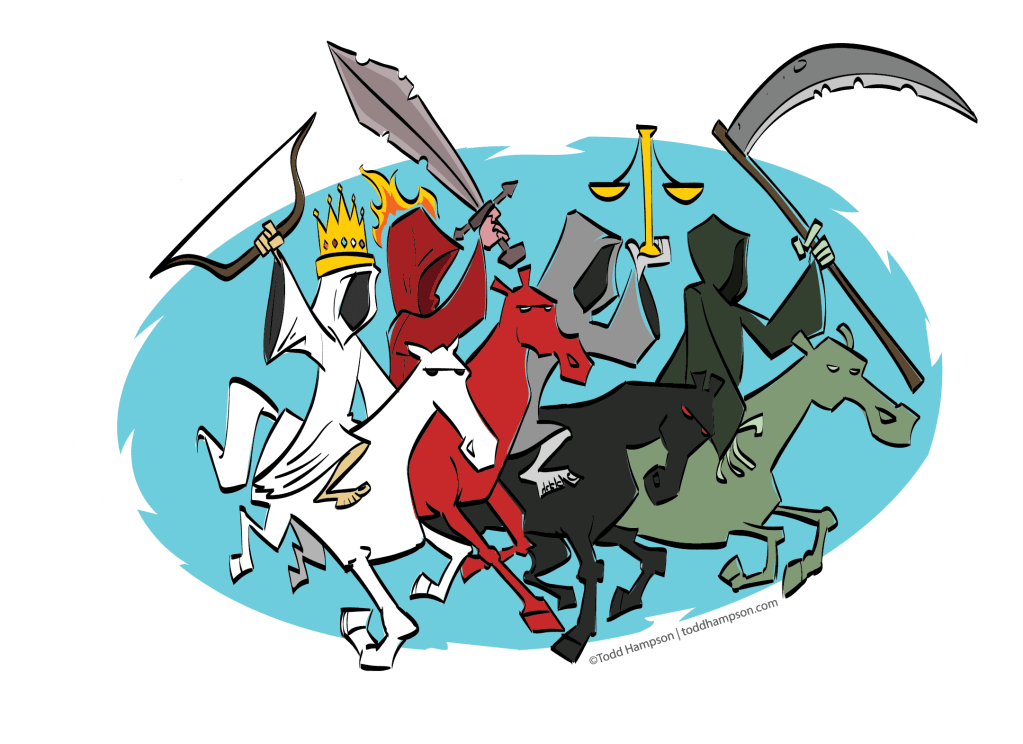
3 When he broke the second seal, I heard the second living creature saying, “Come!”

4 And another, a red horse, went out; and to him who sat on it (= the rider), it was granted to take peace from the earth/the land, and that [people] would kill one another; and a large/mighty sword was given to him.

Revelation 6:3-4
The Land, Not The Earth

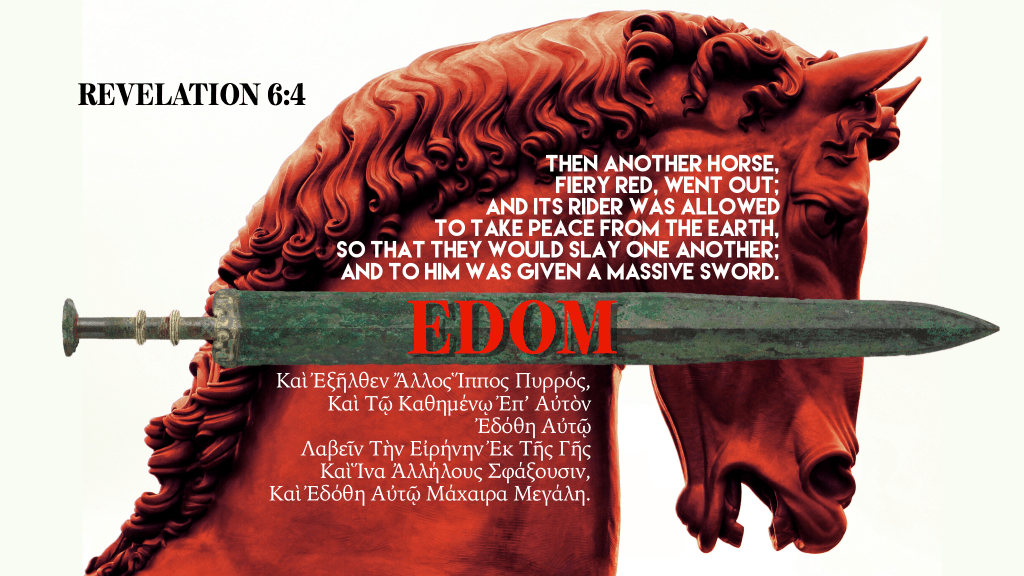
To do justice to these two verses I need to walk my readers through multiple Old Testament passages. Yes really, I do. But to start, I want to focus your attention on just one word in verse 4. That would be the word earth (from the original Koiné Greek word γῆς), which I would vigorously insist should be translated as land in this present context. It matters because of what probably pops to mind when Bible students nowadays encounter the word earth. Most will immediately imagine our brilliant blue marble hanging in space: Planet Earth. But no, no, no… that is entirely misleading, an errant assumption, the wrong image. Instead, imagine the rolling, rocky hills of Israel. The correct word and most accurate image for this verse is land. Imagine a Middle Eastern landscape, not a globe. On this point, I must be emphatic because what a Revelation reader imagines will determine how these verses are interpreted. More on this point soon; but please take a brief glance at the fiery red stallion and its menacing rider. 
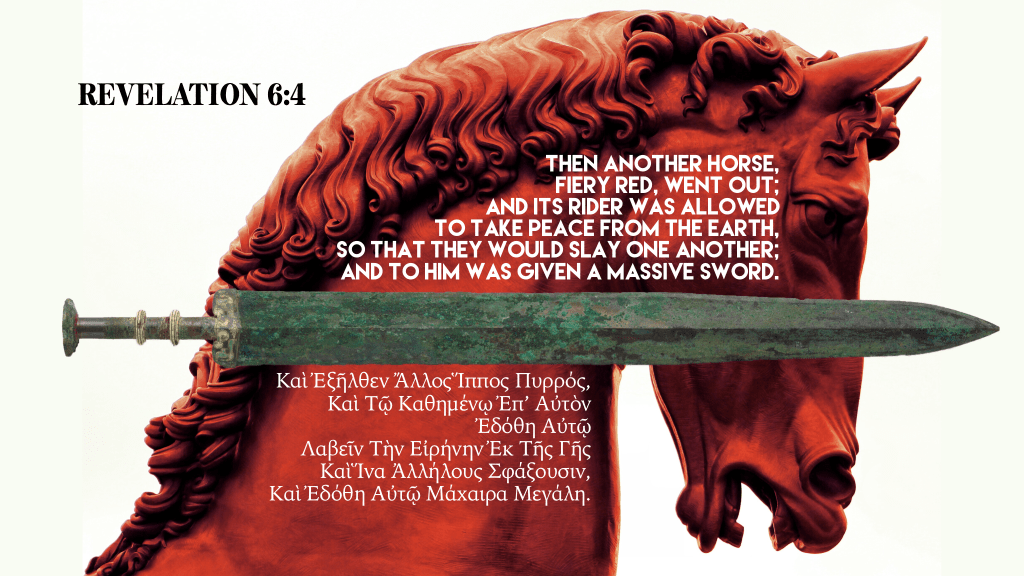
Notice that the rider on the red horse carries a sword. While the archer on the white horse in verse 2 carries a bow, the Red Rider receives another weapon: a sword — a large sword, a great sword, or perhaps, a mighty sword. At first glance the adjective large might seem superfluous, but it matters because the word serves as a subtle hint. It points readers back to a passage in the Old Testament: Isaiah 27:1, where the “mighty sword” is the LORD’s own sword with which he slays the serpent Leviathan, the monster of the sea. But discussion of that particular passage I will postpone for now. At present our focus is on the blade presented to the Red Rider. Not just any regular sword, this one is mighty. And now, with mighty sword in hand the Red Riding Swordsman has been given license to take peace from the… what? He takes away peace from the land. No, the swordsman on the fiery red horse was not granted permission to take peace from the entire planet. The Crimson Riding Swordsman was only granted permission to take peace from the land of Israel. ’Tis a big, big difference, a crucial difference, actually.
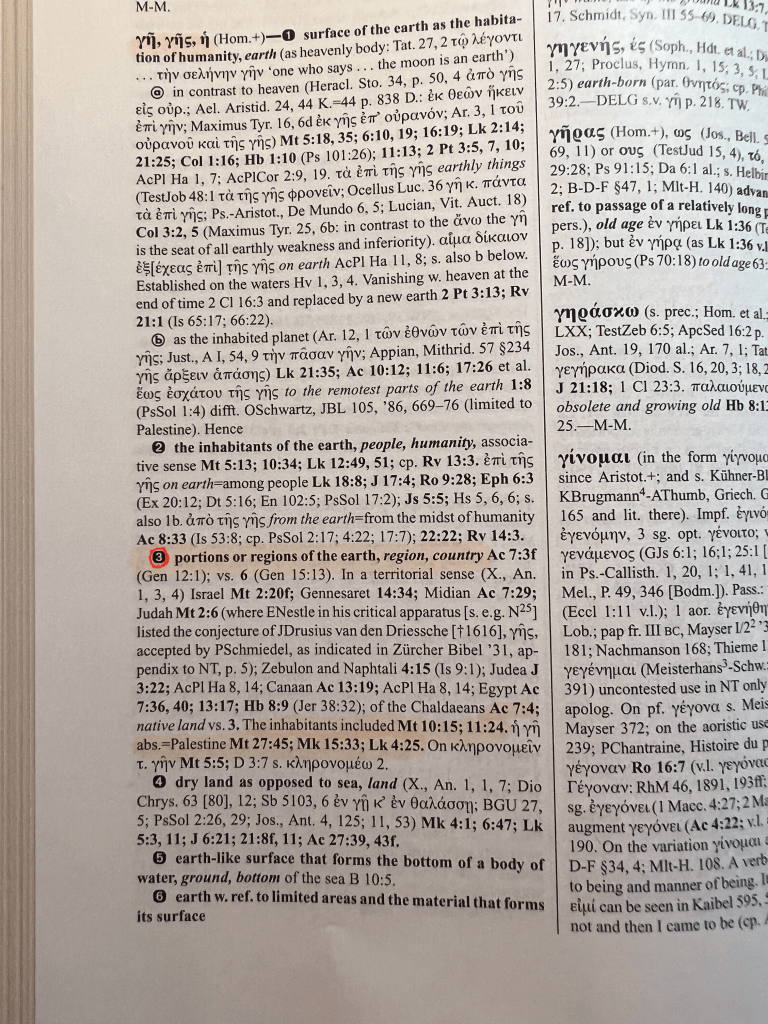
The relevant entry from a Greek-English Lexicon (BDAG, Third Edition): This shows the potential variations of γῆ/γῆς.

But you’re not yet convinced that I’m right about changing the word earth to land; are you? Granted, most, if not all, of the current English translations render the Greek word γῆς as earth, so your reluctance to cede the point is to be expected. You might well wonder on what basis or authority I make the claim — the rather audacious claim — that almost all Bible translators got this particular word wrong. That is a good question. That is indeed the right question to ask here. And so, with trepidation I now cautiously submit my response: I do so on basis of carefully-studied biblical theology. I am a (wanna be) theologian, while they are translators. Their gig is primarily linguistics; mine is primarily in-depth Bible study. Linguistically, the translators made a predictable decision, a decision perhaps by default, because it has a long-standing precedent, even a four-hundred year precedent. Furthermore, they’re not wrong, per se. Yes, the word γῆς does mean earth. Notice though that in both English and Greek the word earth can have several different connotations, one of which is land. Moreover, most of the translators were probably not considering the implicit Old Testament references when they made their translation decision. But if an interpreter does carefully consider the implicit Old Testament references in this passage, it conclusively tips the scales in favor of the translation land (implying something local) and against earth (implying something global), as I aspire to convince you now. 

Let’s look at the relevant Old Testament passages. We will need to figuratively walk through the following passages: Leviticus 26:31-35; Daniel 9:2; 2 Chronicles 36:15-21; and eventually, Zechariah 1:7-13.

To start, here is Leviticus 26:31-35:

31 I will reduce your cities to ruins and devastate your sanctuaries. I will not smell the pleasing aroma of your sacrifices. 32 I also will devastate the land, so that your enemies who come to live there will be appalled by it. 33 But I will scatter you among the nations, and I will draw a sword to chase after you. So your land will become desolate, and your cities will become ruins.

34 Then the land will make up for its Sabbath years during the time it lies desolate, while you are in the land of your enemies. At that time the land will rest and make up for its Sabbaths. 35 As long as it lies desolate, it will have the rest it did not have during your Sabbaths when you lived there.

God, in Leviticus 26:31-35

If I have counted correctly, there are a total of one, two, three, four references to “the land” or “your land” in these verses, or, more accurately, seven references — should the pronoun “it” also be counted (as it ought to be). Now, if Revelation 6:3-4 does indeed allude to (or point back to) this particular Levitical passage, then which geographical domain does the passage have in view? Is it Planet Earth in its global entirety or just the Land of Israel? The correct answer is, ding, ding, just the Land of Israel. Therefore “land” might be the better translation in Revelation 6:4. But hang on… does the Revelation passage actually point back to Leviticus 26:31-35? Or am I just jumping to conclusions because it happens to suit my argument? Perhaps we should revisit and contemplate more closely what this Leviticus passage says.

In Leviticus 26:31-35 God is speaking to, or more exactly, threatening someone. God threatens to “devastate the land,” (which land?) and to “draw a sword to chase after you” (which you?); in so doing, God will give the land a period of much-needed rest. By the way, later in Israel’s history, God carries through on this threat, as we shall see. 

Oh my, I almost forgot to mention the sword! As with Revelation 6:3-4, there just happens to be a sword in Leviticus 26:33! What a coincidence! But it is not a coincidence. References back to a combination of recurring key words is how Revelation works, and how Revelation provides crucial hints for its own interpretation. Admittedly, the mere mention of a sword in Leviticus 26: 33 does not clinch this as a definite, intentional intertextual connection; but it does serve to make it more likely. What makes for an even stronger case is the combination of the word land and the word sword together in both passages.

Eventually, the glue that will bring this all cohesively together is the historical identity of the Red Rider with the mighty sword (who, like his brother Israel, was first an individual person and then a nation). And with regard to my overall thesis (i.e., that the Red Rider/Crimson Swordsman represents one particular eponymous historical person-nation), the most convincing passage of all is found in the Book of Zechariah. For now, please just be aware of the desolation and exile foretold in this present Levitical passage regarding the land and people of Israel.

The second passage to consider is Daniel 9:2:

2 In the first year of his [Darius of Persia’s] reign, I, Daniel, understood from the books according to the word of the Lord to the Prophet Jeremiah that the number of years for the desolation of Jerusalem would be seventy.

Daniel, in the Book of Daniel 9:2

Based on a prophecy in the writings of the Jeremiah (cf. Jeremiah 29:10), Daniel realized that the designated time of Babylonian exile (that is, 70 years) had been fulfilled. Daniel, a Jewish exile working as a government official in several foreign administrations, realized that it was time for his own Jewish people to potentially return to their ancestral homeland. Thus Daniel turned to the LORD in prayer, requesting that God would forgive the Jewish people for their obstinate disobedience. Daniel also prayed for God to restore the desolate City of Jerusalem. In his plea for their forgiveness, Daniel either knowingly or unknowingly fulfills a key stipulation for the return and restoration of Israel, a stipulation that is laid out immediately after our previously discussed passage: that is, in Leviticus 26:40-45. God then answered Daniel’s prayer by giving him what he requested and even more. God gave Daniel several symbolic visions of future events pertinent to the land and people of Israel. The Book of Revelation noticeably makes use of much of the imagery from Daniel’s symbolic visions. I provide all this information to provide feasible “Land of Israel” narrative links from Leviticus 26 through Jeremiah 29 and Daniel 9 to Revelation 6.    

As for the Crimson Swordsman, Daniel may have just barely missed him. While still young, Daniel was one of the Jewish captives that had been sent off to Babylon. Daniel was probably taken away to captivity before the final devastating destruction of Jerusalem and its temple. During that final devastating destruction of Jerusalem, the Babylonian conquerers had some enthusiastic supporters. Those enthusiastic fans (or rather, allies) of Babylon were a neighboring nation of Israel, the Edomites, the descendants of Israel’s twin brother Esau (cf. Genesis 36:8). Not for nothing, scripture makes a point of this Edom and Babylon tag-team connection at the time of Jerusalem’s destruction around 586BC/E (cf. Psalm 137:7). In my view, the nation of Edom best qualifies as Revelation’s own Red Rider, the Crimson Swordsman. But I need to tighten up my proposed connection of three words from Revelation 6: red, land, sword.

Screen Shot from Haaretz Newspaper, featuring an article published on June 13, 2021 about Edom’s likely role in the destruction of Jerusalem.

Etymologically, in Hebrew the words for red and Edom derive from the same root. For all practical purposes, we can think of red and Edom as virtual equivalents. Therefore, I want to suggest that whenever Edom appears in the Old Testament, we just might be reading about Revelation’s Red Rider.      
Now we turn to 2 Chronicles 36:15-21:

15 But the LORD, the God of their ancestors sent word against them by the hand of his messengers, sending them time and time again, for he had compassion on his people and on his dwelling place. 16 But they kept ridiculing God’s messengers, despising his words, and scoffing at his prophets, until the Lord’s wrath was so stirred up against his people that there was no remedy. 17 So he brought up against them the king of the Chaldeans, who killed their fit young men with the sword in the house of their sanctuary. He had no pity on young men or young women, elderly or aged; he handed them all over to him. 18 He took everything to Babylon—all the articles of God’s temple, large and small, the treasures of the Lord’s temple, and the treasures of the king and his officials. 19 Then the Chaldeans burned God’s temple. They tore down Jerusalem’s wall, burned all its palaces, and destroyed all its valuable articles.

20 He deported those who escaped from the sword to Babylon, and they became servants to him and his sons until the rise of the Persian kingdom. 21 This fulfilled the word of the Lord through Jeremiah, and the land enjoyed its Sabbath rest all the days of the desolation until seventy years were fulfilled.

The Chronicler, in 2 Chronicles 36:15-21

Although there is no specific mention of Edom in this important summary passage regarding the destruction of Jerusalem, from other biblical sources we know that Edom played some memorable antagonistic role. Like a bad neighbor, Edom left a very negative impression upon the few Jews who survived the destruction of Jerusalem. In passages like Psalm 83:1-8, Psalm 137:7, Isaiah 34:5-10, Ezekiel 35, Amos 1:6-12, and the entire Book of Obadiah we read that the people of Edom enthusiastically allied themselves with the enemies of Israel and Judah. Therefore, God promised to judge Edom severely. In fact, God pronounced an edict of utter destruction against the nation of Edom, specifically because they had betrayed his people in Israel and Judah.

Nevertheless, although this passage from 2 Chronicles 36 does not mention Edom, it still matters theologically. It matters because it shows that destruction of Jerusalem was not merely another tragic historical event. Rather, it was God’s own decree and God’s act of judgment against his own people. Babylon and its allies may have been the human instruments, but God takes responsibility for what happened. This needs to be kept in mind as we consider the Red Rider and the other horsemen of the apocalypse in Revelation 6. 

Very importantly, Edom played the role of God’s means of judgment (i.e., the sword of God) at least four times in Israel’s history. 

For example, in Numbers 20:14-20 Edom denied the sojourning people of Israel permission to pass through their land. Significantly, in Numbers 20:18 Edom threatened to attack Israel with a particular weapon: “with the sword.” This refusal-of-passage occurred immediately after Moses the man of God sinned. And it is noteworthy that unlike other times, God did not come to Israel’s aid. Edom withstood Israel on this occasion.

Centuries later, after King Solomon sinned by allowing his pagan foreign wives to coax him into idolatry, God raised up an active adversary against him. That adversary was Hadad the Edomite (cf. 1 Kings 11:14). The text is crystal clear that it was God’s own doing: “God raised up against Solomon an adversary.” 

Later, in 2 Kings 8:16-22 Edom successfully rebelled against Judah during the reign of Jehoram, the wayward son of the good King Jehoshaphat.

And finally, as we have already noted, Edom allied itself with Babylon during the siege and destruction Jerusalem around 586BC/E. Babylon was God’s own prophesied means of judgment.    
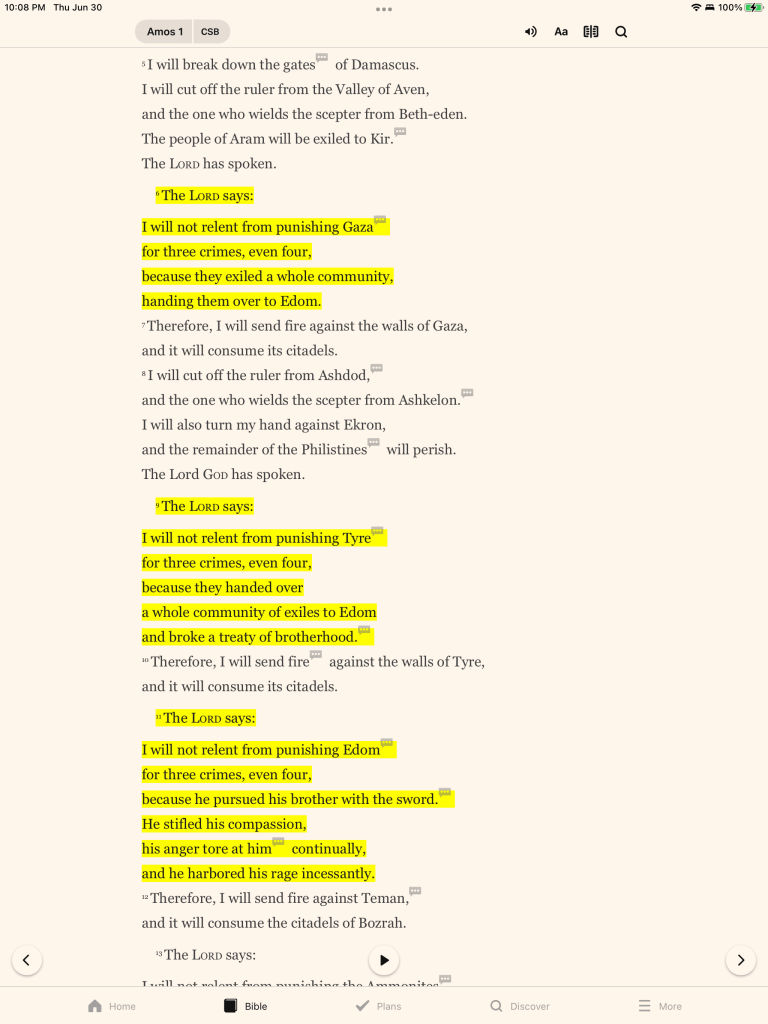
From the Book of Amos

So we see that over and over in its history, Israel and Judah found Edom to be a problematic neighbor — a neighbor that sometimes became an outright enemy. And yet, God takes at least partial responsibility for Edom’s periodic belligerence. Edom served as the instrument of divine judgment — “the sword of God” — at key times in Israel’s history. And Revelation 6:3-4 symbolizes Edom in that historical role as the Red Rider, the Crimson Swordsman.

To be continued…
The First Seal of Revelation 6

Monday, June 27, 2022

1 Then I saw when the Lamb broke one of the seven seals, and I heard one of the four living creatures (one of the cherubim, per Ezekiel 10:20) saying as with a voice of thunder, “Come!”

I looked, and behold, a white horse (cf. Revelation 19:11), and the one who sat on it (= the rider) had a bow (ergo, was a mounted archer); and a crown was given to him (note the passive tense here), and he went out conquering and to conquer (cf. Psalm 45:4-5? Habakkuk 3:3-18?).

Revelation 6:1-2
http://www.metmuseum.org/art/collection/search/466572

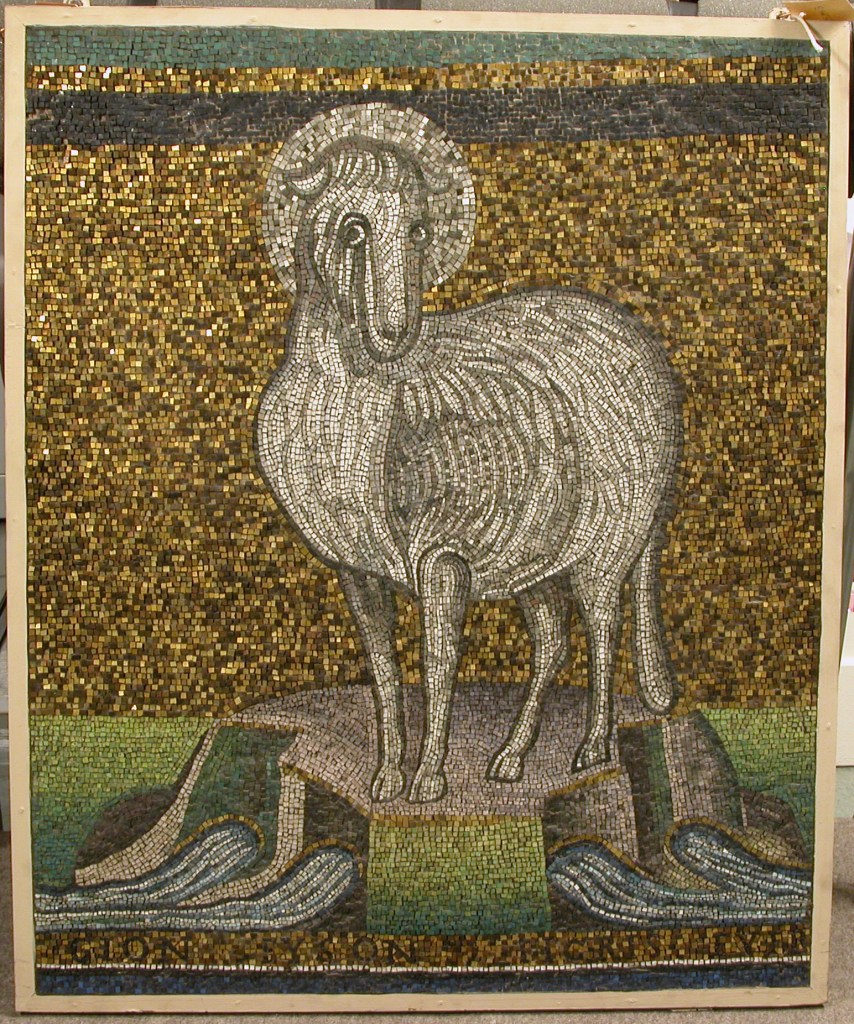
In Revelation 6:1, John the Narrator watches as the uniquely worthy Lamb breaks open the first of the seven seals to the scroll (but which scroll?). Presumably, the attentive reader/listener realizes that the Lion-Lamb is none other than Jesus Christ himself. Throughout most of Chapter Five and continuing into Chapter Six, our narrator John refers to Christ simply as “the Lamb,” thus placing his metaphorical emphasis on the crucified Jesus. This is actually an allusion to a statement by John the Baptist, who introduced Jesus as “the Lamb of God who takes away the sin of the world” (cf. John 1:29, 36). In Revelation 6:1, Christ, by virtue of being the Lamb, is worthy to “take the scroll and open its seals.” What specifically and exactly qualifies him to be worthy of such an honor? His own shed blood. He is said to be worthy because he was slain (as a sacrifice for sin), and by means of his shed blood he ransomed people for God. The Church of Christ is purchased with blood, the precious blood of the Lamb. 

But what is Christ the Lamb worthy of? What is he worthy to receive? Backtracking ever-so briefly here, according to Revelation 5:9, by virtue of his self-sacrifice the Lamb is worthy to “take the scroll and open its seals.” But whatever might that mean? What is this scroll exactly? And why was it sealed that it now needs to be unsealed? We can presume that the answers to these questions may be a prerequisite to correctly interpreting the imagery and the apocalyptic events of Chapter Six. 

Here I want to suggest that the scroll is simply the Torah itself, which served at Mount Sinai as a ketubah (that is, a covenantal pre-nuptial agreement) between the LORD and the nation of Israel. I owe the ketubah/scroll connection to the late, great (and very eccentric) Bible teacher Chuck Missler. But I take Missler’s insight a step further by identifying the ketubah/scroll as the Torah itself (a quick online search confirms that at least one other blogger has taken exactly the same step of identifying the Torah as a sealed ketubah scroll). If this interpretation is correct, then the slain, now triumphant Lamb unseals the Torah. And according to Revelation Chapter Five, the fact that the Lamb is worthy to unseal the Torah scroll gives occasion in Heaven for celebration, even worship.

Chapter Five ends in heavenly worship directed towards the Lamb. What else can Heaven’s celebration be called other than worship? Selah. Selah means pause. Pause and consider that! Not only is the Lamb worthy to take the scroll and open its seals, he is also worthy of Heaven’s adulation and worship. He is worthy to receive what God alone is worthy to receive. The Lamb is worthy to receive 1) power, and 2) wealth, and 3) wisdom, and 4) might, and 5) honor, and 6) glory, and 7) blessing. Which, as enumerated, elicits a couple of questions: Why a list of seven? Why this sevenfold benediction? What significance might be implicit in a sevenfold benediction? Because it is sevenfold, this benediction signifies something complete, something in its entirety. Jesus Christ, the Lamb of God, is worthy to receive our utter devotion, and all of our worship, even all of Heaven’s worship. Ergo, Jesus must be divine.     

On we go to Chapter Six, and the progressive unsealing of the (Torah) scroll. The passage says that when the Lamb opened the first one of the seven Torah seals, one of the living creatures/cherubim called out, “Come!” with a voice like thunder, whereupon John the Narrator beheld a white horse, with its rider holding a bow and wearing a crown — a crown which had been given to him. The archer on the white horse heeds the cherub’s summons and comes out conquering and to conquer. 

So, who is this mounted archer on a white horse? Is this Jesus Christ himself or someone else? Is this perhaps an imposter? From the immediate context, we cannot determine the answer to that question. We don’t have enough information from these two brief verses alone. We will need to press further and glean additional data. For now, we can only note that this mounted archer seems in some ways to resemble Christ (given the white stallion and the crown), and thus might potentially be Christ. Alternatively, if this mounted archer is an imposter and a fraud, he might very well be an antichrist. A decisive answer will have to wait until we have more information. 

Personally, I used to think that the mounted archer must be an antichrist figure. Back then, I reasoned that the author would simply identify the archer as Jesus if he is indeed Jesus. But further study of Chapter Six as a whole has convinced me that the mounted archer is in fact Christ Jesus himself — more specifically, the pre-incarnate Old Testament Christ. Why then, doesn’t the author simply say that the archer is Christ? There is a sound scriptural reason for why the mounted archer is not immediately identified as Jesus. And that is because the Old Testament itself keeps the identity of Christ a veiled mystery. But I am getting somewhat ahead of myself by divulging that I believe Revelation chapter six represents the unfolding of the Old Testament, and its scary curses upon the disobedient.      

Verse 2 does not say who gave the crown to the mounted archer. It avoids identifying the crown-giver by using what grammarians call the passive voice. Who, then, gave a crown to the mounted archer? Is the crown-giver God? Is the crown-giver Satan? Could the crown-giver be anyone other than God or Satan? If the crown-giver is in fact God, then the passive voice has a technical theological term. It is called the divine passive. A working assumption I employ is that whenever the passive voice appears in the Book of Revelation, it is always (or at least almost always) the divine passive. If that assumption is correct, then the crown-giver must necessarily be God. If I were asked why I think the passive voice in Revelation is (almost) always the divine passive, my response is because the Book of Revelation everywhere asserts the ultimate, supreme sovereignty of God; and because the passive voice deliberately obscures the actor behind an action, the divine passive alludes indirectly to the unrecognized and yet absolute sovereignty of God. Ultimately, if something — if anything occurs — it occurs because God allows it. Nothing occurs except that which God allows. Some find this claim disturbing, others comforting. 

Having said that, humility requires that I admit on this particular point I stand opposed to one of the very best New Testament interpreters, that is, Dr. Gordon D. Fee. When it comes to biblical interpretation, Dr. Fee would be a very formidable somebody indeed. Among many other writings, Fee co-authored the best-selling guide How to Read the Bible for All It’s Worth. Fee believes that the mounted archer on the white horse cannot be Christ, because the Lamb opening the scrolls is already Christ. How then could Christ the Lamb be releasing himself as a mounted archer? 

Dr. Gordon D. Fee – Screenshot

To quote Fee: 

Christ is the Lamb who opens the seals, and therefore even in apocalyptic literature cannot at the same time be this horseman. Moreover, this horseman belongs to a sequence that finally ends in death and leads to the martyrs’ cry in verses 9-10. But if not Christ, who then? The best answer seems to be that John intends this figure to be a demonic parody of Christ, just as the beast in chapter 12 is presented as a parody of the Lamb. 

From p. 93 of Gordon D. Fee’s Revelation, in the New Covenant Commentary Series

In response to the esteemed Dr. Fee (my esteem is sincere; this is not meant to sound sarcastic), I want to observe that he does not actually take issue with my divine-passive claim, per se. In fact, I think he would probably admit that it is an interpretive point in my favor. Rather than address the divine-passive question, Fee rejects the idea that the mounted archer is Christ on a jumbled-and-blended symbolic basis. Fee thinks the notion of Christ the Lamb unveiling an image of Christ the Mounted Archer stretches and confuses the passage’s symbolism too much; and on that basis just doesn’t work. Okay, I understand, Dr. Fee, but what if you’re making an erroneous assumption about the timing of the two depictions? For example, I can show you a photo of myself as a small child dressed in a costume; and I can still be myself, even if the photo of little costumed me only vaguely resembles the middle-aged me of today. The same exact idea may be in play here. In Chapter Six, the New Testament Jesus presents John our Narrator with an image of himself from back in his Old Testament days.

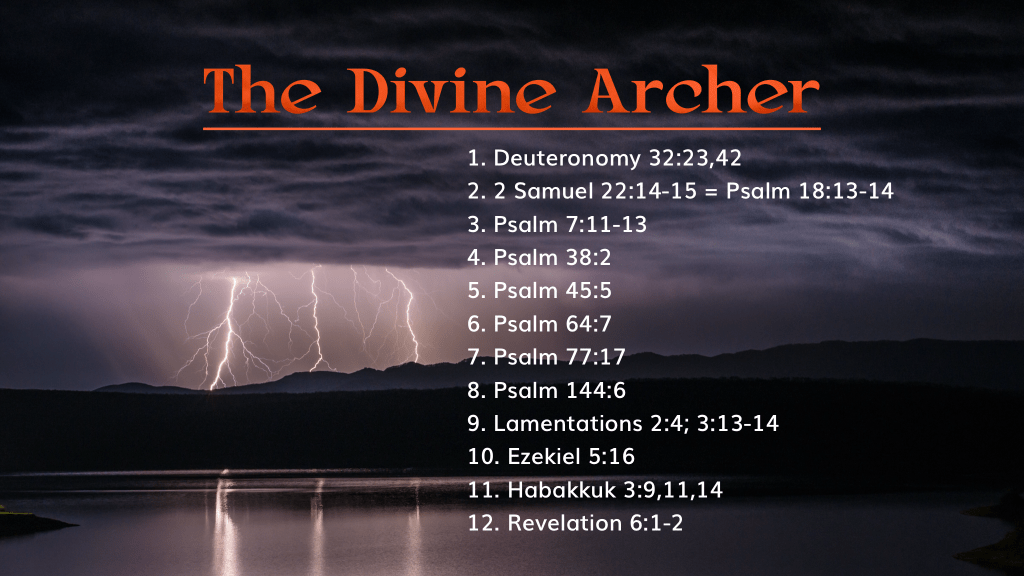
Here are the scriptural references to God as an archer.

Moreover, it is not at all a problem that the seals sequence ends in death, because that is exactly what the Torah itself foretold would happen. At the end of Deuteronomy, the people of Israel are told in very exacting and terrifying terms what the result of covenant disobedience would be. Christ’s opening of the seals in Revelation Chapter Six just graphically portrays what once Deuteronomy foretold. Dr. Fee’s primary mistake, in my estimation, is that he does not realize that the unsealing of the seals refers backward in time to the Old Testament. But it does, as I shall attempt to continue to prove.

C.S. Lewis and Bertrand Russell

Tuesday, June 21, 2022

C.S. Lewis and Bertrand Russell were compatriots, contemporaries, prolific writers, and renown professors. They were also philosophical rivals. They had a lot in common; but when it came to belief in God, they couldn’t have disagreed more.

So what? They’ve each been dead over fifty years. Why do these two writers matter today?

Both C.S. Lewis and Bertrand Russell matter because most of the current-day arguments for or against belief in God are simply the rehashing of arguments you will find in their respective works. Social media debates about God often merely echo the writings and arguments of Lewis and Russell. Consequently, they are very relevant today and deserve re-consideration.   

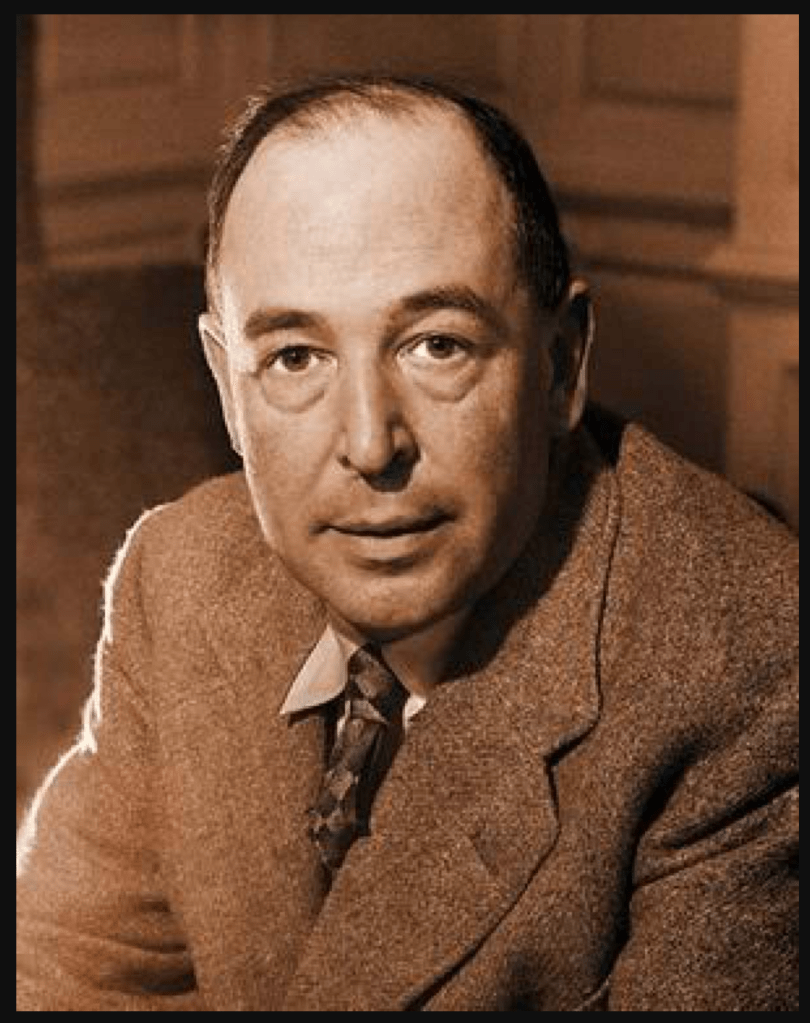
To start, consider Lewis. Besides being a professor of literature at Oxford and Cambridge, C.S. Lewis was probably the most important 20th century apologist for Christianity. 

Screen Shot – C.S. Lewis

Huh? What is an apologist? Does that mean Lewis apologized for Christianity? 

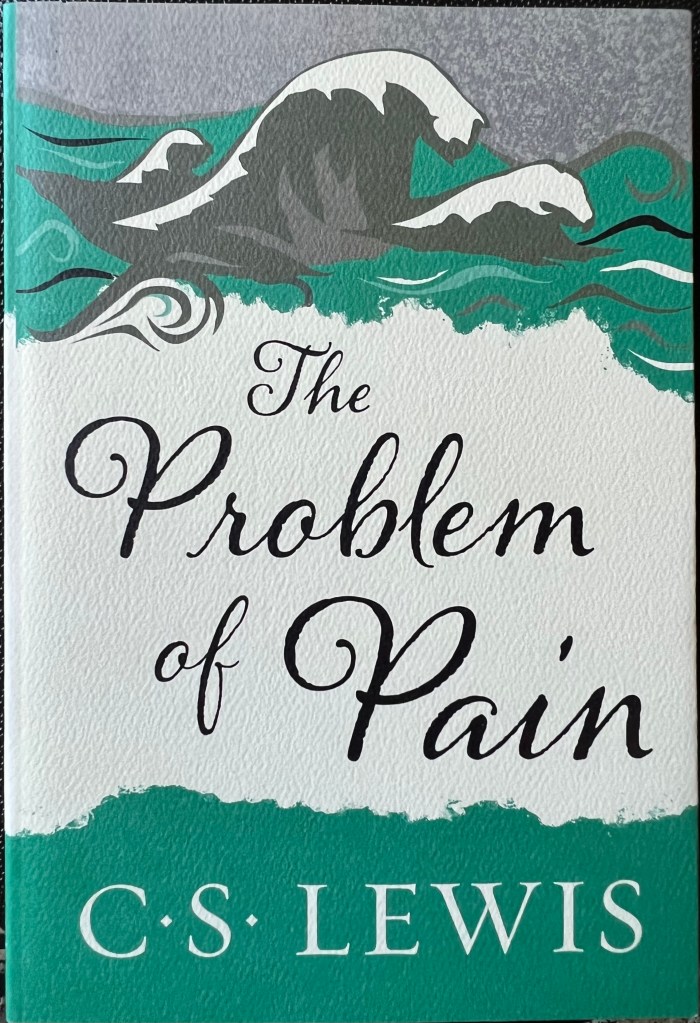
No, in spite of how the word might sound, an apologist is not someone who constantly apologizes for something offensive. C.S. Lewis did not make a career of apologizing for Christianity’s perceived deficiencies or faults; to the contrary, as an apologist C.S. Lewis wrote many works in defense of the intellectual credibility of the Bible and Christianity, one of which is entitled The Problem of Pain

Then who was Bertrand Russell?

Bertrand Russell was an important mathematician, logician, and philosopher. He taught at the London School of Economics, Trinity College, the University of Chicago, and UCLA. On the side, he also sometimes commented on politics, ethics, and religion.

Screen Shot – Bertrand Russell

Was Russell a Christian apologist like Lewis?  

No, definitely not. Bertrand Russell was not an apologist for Christianity, but instead the exact opposite. Russell was morally and philosophically opposed to Christianity and sought to intellectually discredit it. Given how far apart he stood from Lewis philosophically, Russell might even be considered the anti-Lewis. One of Lewis’s most famous books bears the title Mere Christianity. In stark contrast, Russell famously published a polemical ten-page pamphlet (the transcript of a March 1927 lecture) pointedly entitled Why I Am Not a Christian.   

For the sake of accuracy, though, I should not create a misconception here. I made it sound like Bertrand Russell was writing in reaction to C.S. Lewis. But since Lewis’s apologetic works were published years later than Russell’s Why I Am Not a Christian, I should conscientiously correct that. It was exactly the other way around. The theistic Lewis was (probably) writing in response to the atheistic Russell. If possible, I will eventually locate a quote from Lewis himself to the effect that he did in fact have Russell’s work in mind as he wrote. Thus far, though, I have not found anything online to substantiate that either The Problem of Pain or Mere Christianity were intentionally written by Lewis in response to Russell’s pamphlet. Nonetheless, given the similar content covered and the relative proximity of the two closest publications — within fifteen years, with both published in Great Britain — I think it very likely, if not certain.

Who had the better arguments — Lewis or Russell? 

Frankly, the answer to that depends on whose presuppositions you are inclined to accept. Lewis believed that there must be a transcendent Creator to explain for humanity’s overwhelming religious bent, while Russell saw the same bent as a traditional vestige that ought be discarded. Russell championed the supremacy of rigorous logic, and especially, of scientific progress; while Lewis accepted the reliability of the Gospel accounts, valued Church tradition, and deferred to authority of the Bible. Their positions therefore had very, very different points of departure.      

How does all this information lead to the section that follows?

Of all the arguments against God, one of the biggest leveled by Russell and by his successors is that the God of the Bible is “not great” but is instead morally unworthy. For instance, Russell insisted that the doctrine of hell as taught by Christ was “a doctrine of cruelty.” Russell also perceives Jesus as vinidictive towards those who rejected his teachings. This indictment of God might well be the very root of Russell’s whole atheistic program.

Earlier today I was re-reading a portion of Lewis’s The Problem of Pain. Before sharing it, I thought my readers might benefit from some background information about the dispute between Lewis and the most prominent atheist of his day, who would be Russell. This particular passage does not specifically reference Bertrand Russell; but the skeptical Russells of yesterday and today usually dearly wish that the God of the Bible would be nicer. They would rather God be more like the senile, benevolent old grandfather in heaven described by Lewis.     

By the goodness of God we mean nowadays almost exclusively His lovingness; and in this we may be right. And by Love, in this context, most of us mean kindness — the desire to see others than the self happy; not happy in this way or in that, but just happy. What would really satisfy us would be a God who said of anything we happened to be doing, ‘What does it matter so long as they are contented?’ We want, in fact, not so much a Father in Heaven as a grandfather in heaven — a senile benevolence who, as they say, ‘liked to see the young people enjoying themselves,’ and whose plan for the universe was simply that it might be truly said at the end of the day, ‘a good time was had by all.’ Not many people, I admit, would formulate a theology in precisely those terms: but a conception not very different lurks at the back of many minds. I do not claim to be an exception: I should very much like to live in a universe which was governed on such lines. But since it is abundantly clear that I don’t, and since I have reason to believe, nevertheless, that God is Love, I conclude that my conception of love needs correction.

C.S. Lewis, The Problem of Pain, pp. 31-32.

The Problem of Pain is well worth the read. Lewis does a commendable job of answering some of the hardest questions and objections that critics of God and Christianity pose.

The Bible and Human Trafficking

Tuesday, June 14, 2022

Sometimes people will argue that the Bible was often used historically as a justification for slavery. Sadly, that is true. Regrettably, slave traders and slave owners sometimes did use passages from the Bible to justify slavery. But actually, they almost always misused and abused the Bible. If you read through the whole Bible, you will find that the Bible’s ethical comments on slavery change over time. Early on, the Bible is silent on slavery, other than to acknowledge that it happened. Later, God gives laws that restrict and regulate the practice of slavery. And towards the end of the Bible, slavery is increasingly frowned upon. Paul’s epistle to the slave owner Philemon is especially notable in this regard. And finally, in the last book of the Bible (that is, the Book of Revelation), the practice of slavery is indicted as one reason for severe divine judgment. 

Curiously, you will find that final indictment of slavery at the end of a commodities list. It reads a bit like a grocery list. Except this is a grocery list for a fabulously wealthy civilization.  

At the end of a list of more than twenty commercially traded luxury items, Revelation 18:13 indicates that the wicked, irredeemable Harlot City Babylon also happened to trade slaves. The verse is mostly just an informative list. If you were to summarize it in context, you might say, “So they traded gold, silver, jewels, pearls, linen, silk, ivory, wood, bronze, iron, marble, spices, yada, yada; and, oh yeah — almost forgot — they also traded slaves…” 

And yet two telling Greek words of indictment are added at the very end to that list: ψυχὰς ἀνθρώπων, or, in English, human souls. The implicit condemnation of slavery in those two words may be oh-so-subtle and easy to miss. But the condemnation is there nonetheless, because those two words are otherwise simply unnecessary. The list could have just ended with the word slaves, but it goes on with those two words to expound on the what slavery actually entails. These are human beings, or human souls that are being traded and treated as if they were merely commodities. Human trafficking was happening in Babylon.

And perhaps that’s why the Harlot City Babylon is especially wicked and, in the end, entirely irredeemable: because of slavery and human trafficking, because in the City of Babylon human beings have become mere commerical commodities.  

“Okay, but Babylon was just ancient Babylon; right? How is any of that relevant to me?”  

On the contrary, it might be very relevant to us. In the Book of Revelation Babylon actually isn’t ancient Babylon at all. Instead, Babylon symbolizes another city or civilization (or two). In the Book of Revelation, Babylon serves as a cipher for the City of Rome and for the entire Roman Empire. Significantly, at the very same time, Babylon also seems to represent a final, future city or civilization — a future metropolis that meets an abrupt and fiery end.     

My fellow Americans might claim, “Well, the passage definitely cannot apply to us, because we don’t practice slavery here in America anymore. The Civil War took care of that, once and for all. Abraham Lincoln issued the Emancipation Proclamation. Slavery ended well over 150 years ago. We are entirely free from the institution of slavery now. Some of our ancestors may have been guilty of that dehumanizing practice; but we are innocent.”  

Okay, good for us. But what about the less overt forms of slavery that do occur here in the United States and around the world? Various forms of human trafficking do occur here and now. Modern-Day Babylon might be closer to home than we want to acknowledge.